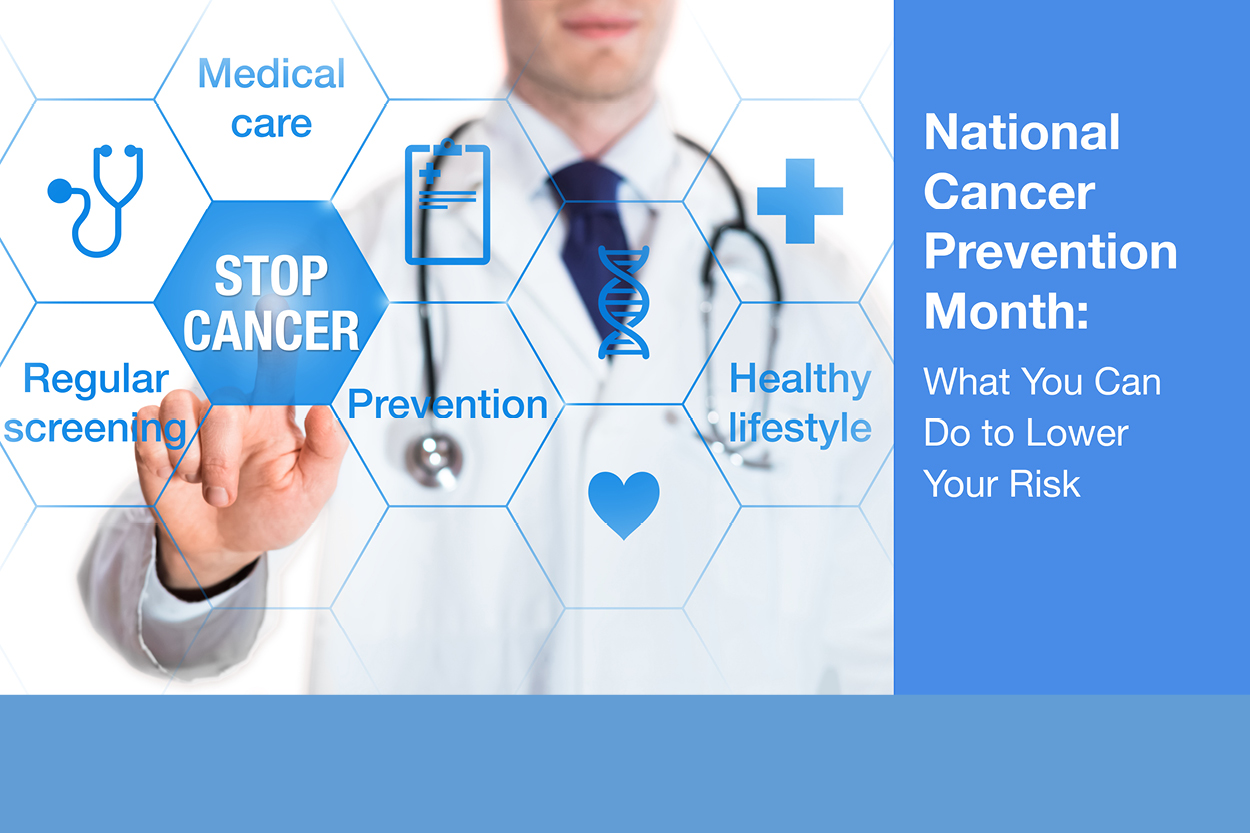
National Cancer Prevention Month: What You Can Do to Lower Your Risk
Lowering your cancer risk starts with understanding the steps you can take today to support long-term health. February is National Cancer Prevention Month, a time to focus on prevention, education, and early action that can reduce the risk of developing cancer over a lifetime.
While not all cancers can be prevented, research shows that many cases are linked to modifiable lifestyle factors and preventative care. Small, consistent choices can make a meaningful difference.
What Cancer Prevention Really Means
Cancer prevention does not mean eliminating risk entirely. It means reducing risk where possible and detecting cancer early when it is most treatable. According to the American Cancer Society, about 40 percent of cancer cases and nearly 45 percent of cancer deaths in the United States are linked to preventable risk factors.
Steps You Can Take to Lower Your Cancer Risk
-
Avoid tobacco in all forms
Smoking is the leading cause of preventable cancer deaths and is linked to cancers of the lung, mouth, throat, esophagus, bladder, pancreas, kidney, and more. Avoiding tobacco and secondhand smoke is one of the most impactful ways to lower cancer risk.
-
Maintain a healthy weight and stay physically active
Regular physical activity and maintaining a healthy weight may lower the risk of several cancers, including breast, colorectal, endometrial, and kidney cancer. Even moderate movement like walking can provide benefits.
-
Eat a balanced, nutritious diet
A diet rich in fruits, vegetables, whole grains, and lean proteins supports overall health and may reduce cancer risk. Limiting processed foods, red meat, and sugary drinks is also recommended.
-
Protect your skin from the sun
Ultraviolet radiation from the sun and tanning beds increases the risk of skin cancer, including melanoma. Use sunscreen, seek shade, wear protective clothing, and avoid tanning beds.
-
Stay up to date on recommended vaccinations
Vaccines can help prevent infections linked to cancer, including HPV and hepatitis B. These vaccines lower the risk of cervical, liver, throat, and other cancers.
-
Limit alcohol consumption
Alcohol use has been linked to cancers of the breast, liver, colon, mouth, throat, and esophagus. Limiting or avoiding alcohol can help reduce cancer risk.
-
Prioritize cancer screenings and early detection
Screenings can detect cancer before symptoms appear, when treatment is often most effective. Talk with your healthcare provider about recommended screenings based on your age, sex, and risk factors.
When to Talk to Your Doctor
You should speak with your provider if you:
-
Have a family history of cancer
-
Have concerns about your lifestyle or environmental exposures
-
Are unsure which screenings or vaccines
-
Notice new or unusual symptoms
Your care team can help create a personalized prevention and screening plan.
A Prevention Mindset Moving Forward
Cancer prevention is not about perfection; it is about awareness, informed choices, and regular conversations with your healthcare provider. This National Cancer Prevention Month, consider choosing one small step that feels realistic for you. Over time, those steps can add up.